Conquering the Roof of Africa: My Kilimanjaro Hike With the Dream Team
For years, summiting Mount Kilimanjaro sat quietly in the corner of my mind under the label “one day.” In November 2025, I finally swapped those words for motion, landing in Tanzania with a shared intention and a group of humans who would soon become one of the strongest adventure crews I’ve ever known.
I made the ascent with Dismas Experience, Africa’s leading luxury mountain operator, choosing their VIP+ 8-Day Lemosho Trek. The Lemosho Route is celebrated for its dramatic landscapes and generous acclimatisation windows, with the final summit push beginning from Barafu Camp.
This wasn’t just a hike. It turned out to be one of the most transformative mental and physical journeys of my life.
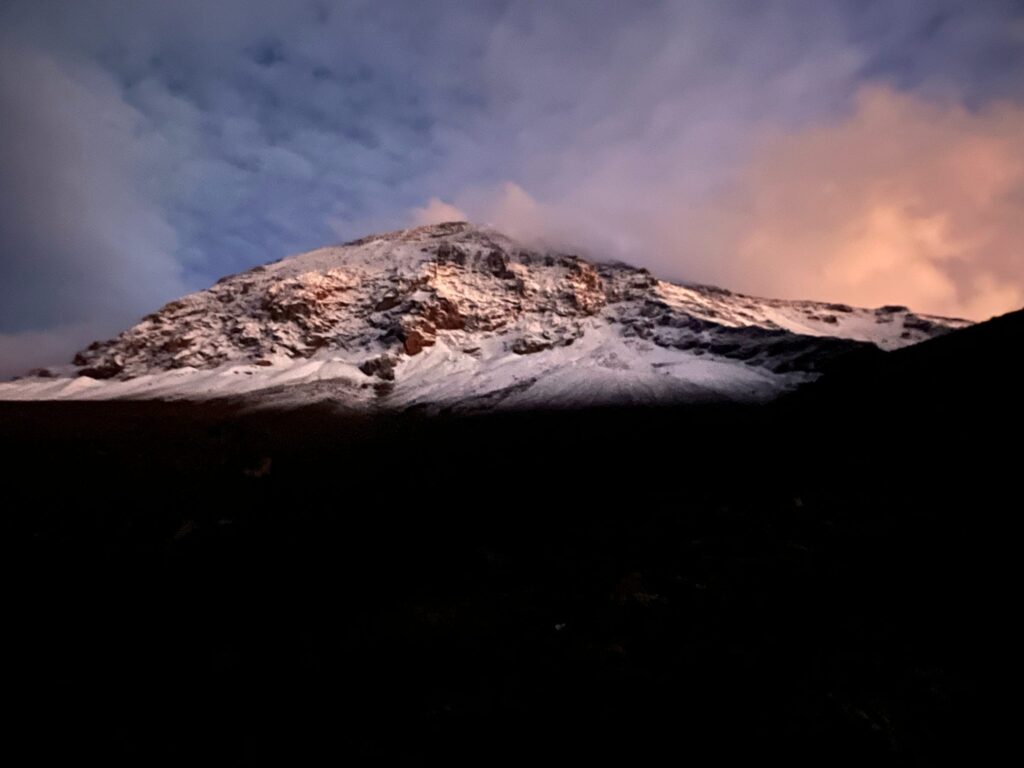
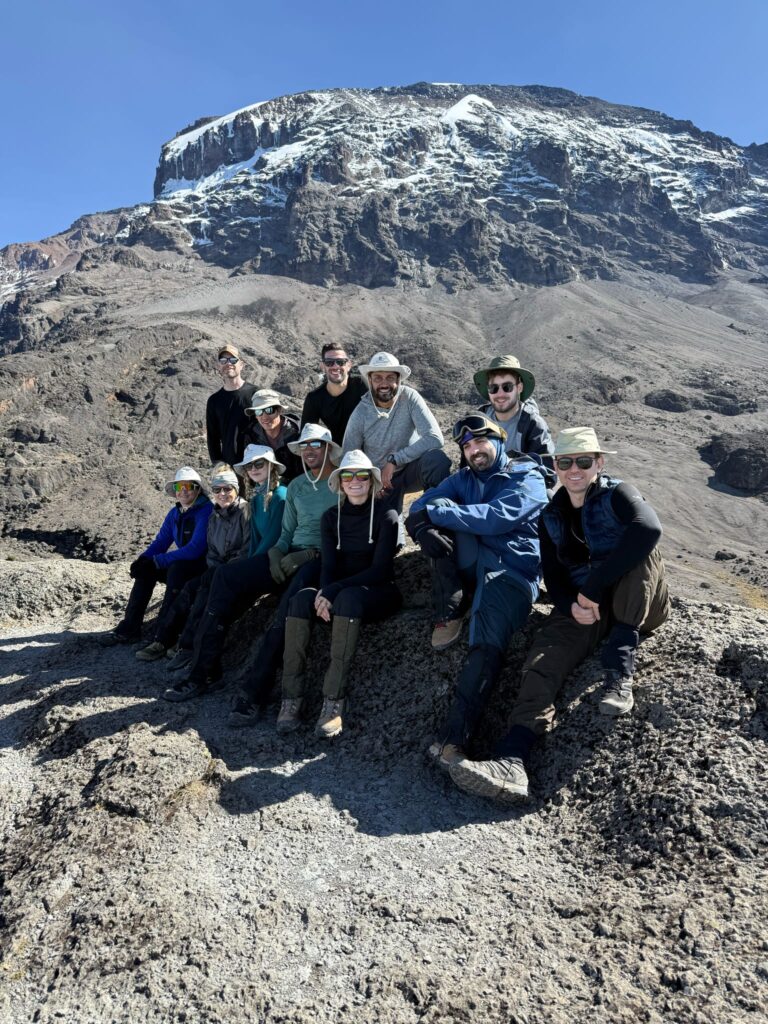
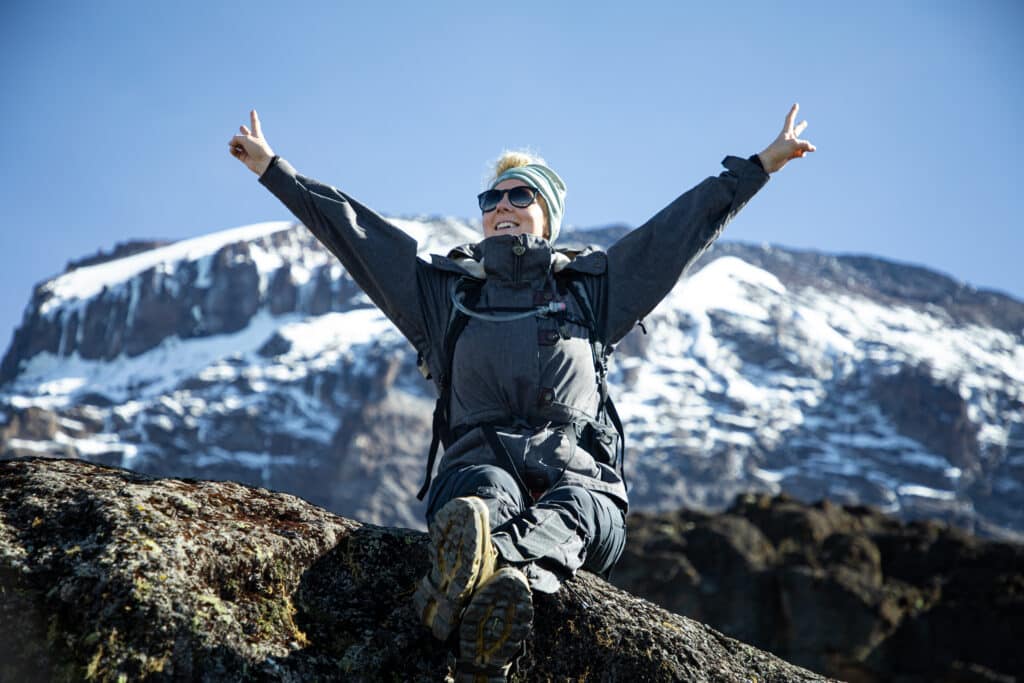
A Route Built for Success, Tested by Altitude & Snow
We followed a 7-Day, 6-Night ascent profile designed to maximise the chance of successfully standing on the Roof of Africa using the Swahili philosophy of “Pole Pole”—slow, steady, intentional progress.
Here’s the altitude progression at a glance:
| Segment | Elevation |
| Forest Camp | 2,780m (9,120 ft) |
| Shira 1 | 3,610m (11,600 ft) |
| Moir Camp | 3,995m (13,200 ft) |
| Karanga Camp | 3,930m (13,000 ft) |
| Barafu Camp | 4,600m (15,000 ft) |
| Summit (Uhuru Peak) | 5,895m (19,341 ft) |
Physically, the daily hikes themselves weren’t excessive, especially for anyone healthy and active. But altitude? She hit back hard.
From Day 2 all the way to summit success, I battled Acute Mountain Sickness, which felt like hiking 5-8 hours a day with food poisoning—except worse, because I had to do it at lower and lower oxygen. Each morning became a mind-body negotiation just to sit up, sip tea, and find calories I could swallow.
Thankfully, our team came prepared with oxygen systems, daily saturation testing, and acute awareness of altitude physiology. My Garmin and other trail-tracking attempts struggled to keep up—but my legs and spirit eventually did, thanks to constant health check-ins and expert guidance from the summit support team.
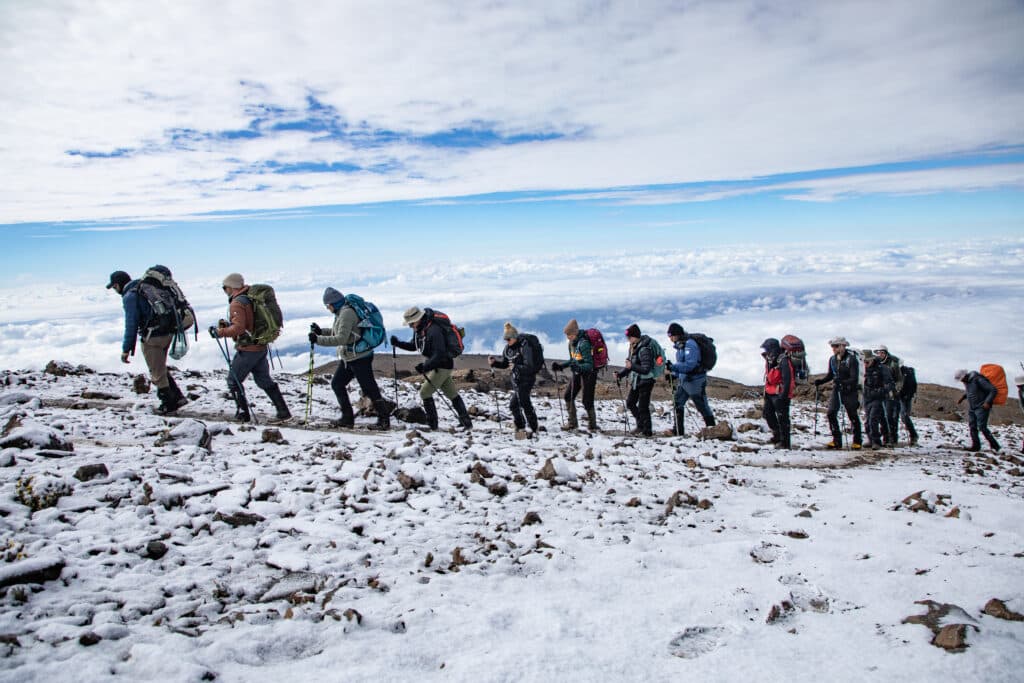
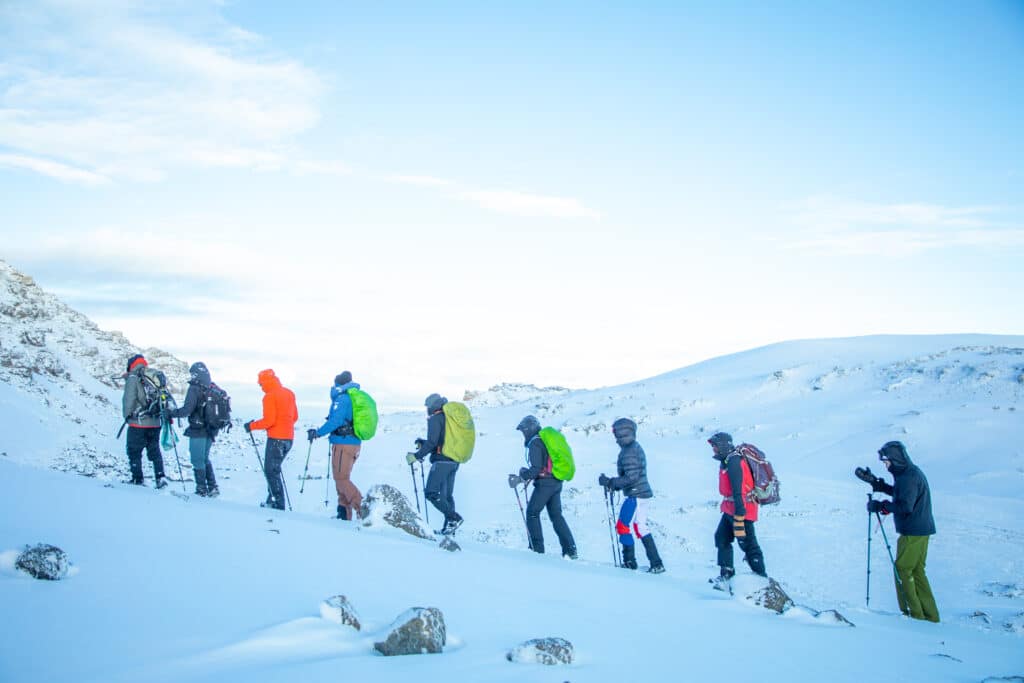
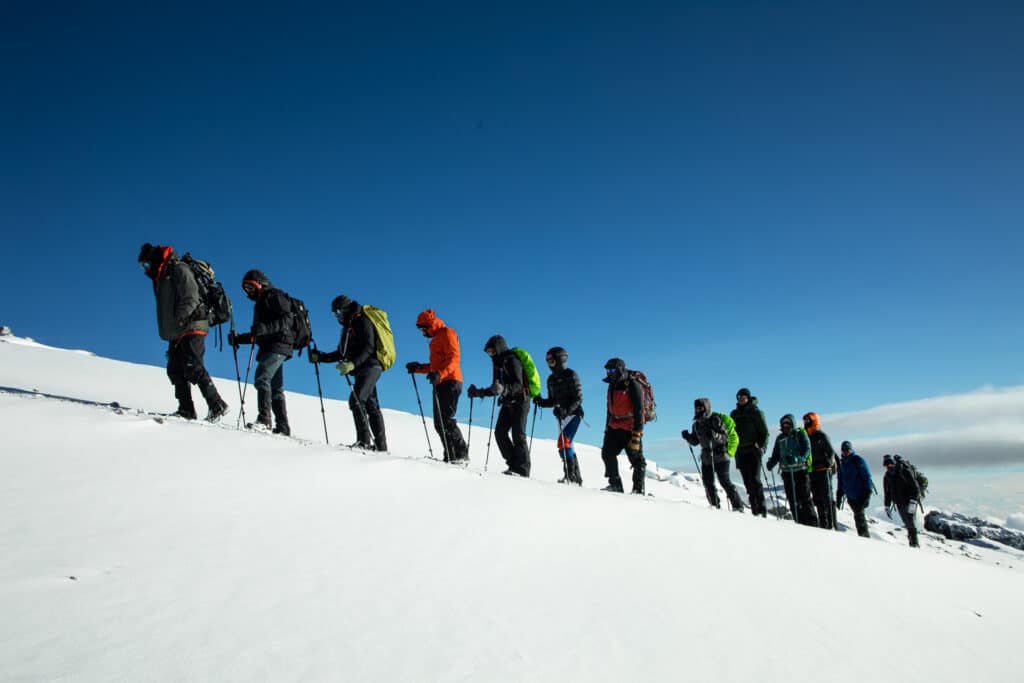
Summit Night: From Brutal Darkness to Sunrise Fire
Summit day began at midnight, boots crunching over snow, sand, and volcanic ash in total darkness. We pushed upward for hours, in a snowstorm, climbing into a sunrise we had to fight for, finally striding onto Uhuru Peak at 6:30 AM. Kilimanjaro Summit Sunrise was the moment everything cracked open.
Tears formed before breath did.
Reaching the summit for sunrise was surreal. Brutal. Beautiful. Earned entirely in the unseen.

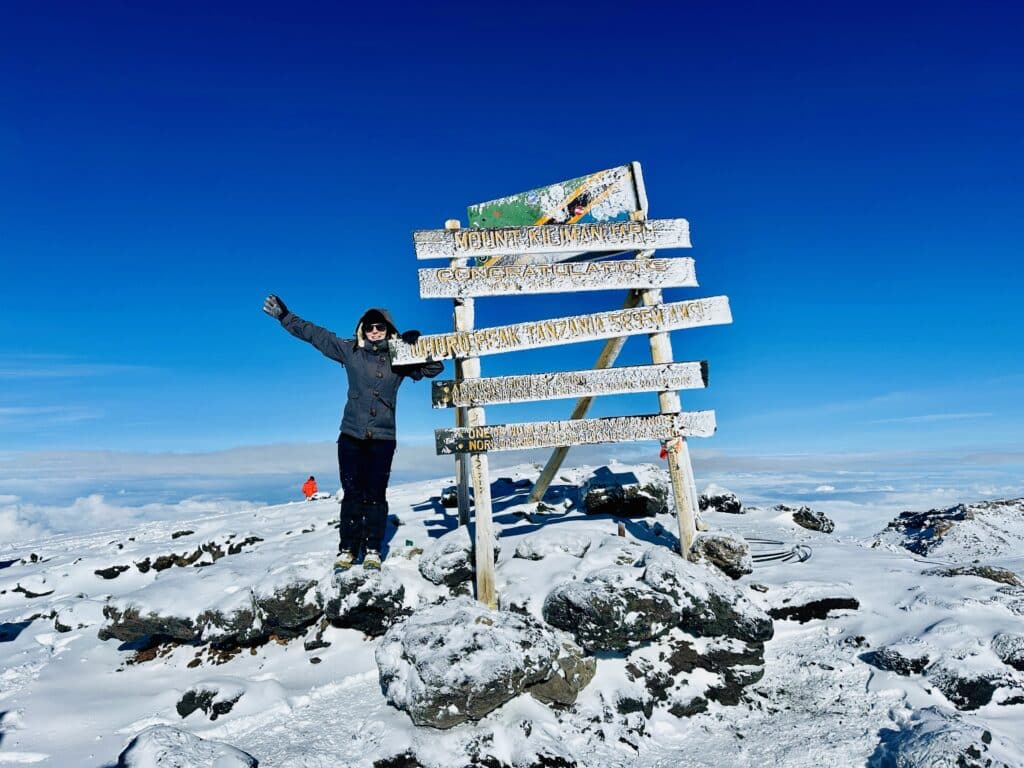
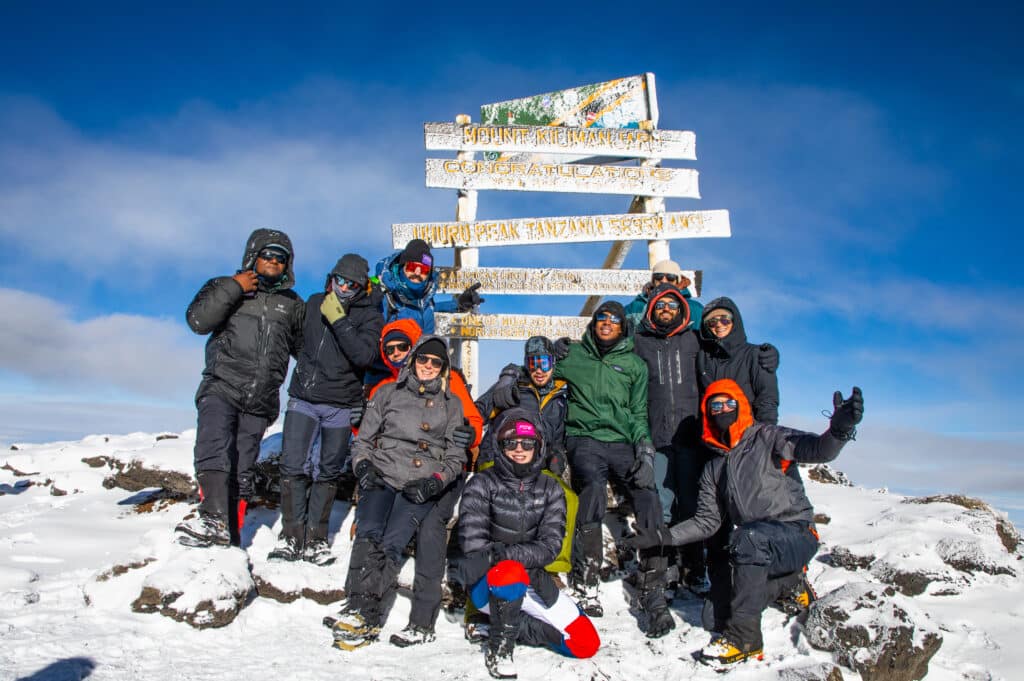
Back to Civilization, Into a New Version of Self
Our descent day was long—not just the longest hiking stretch (12 hours), but also the emotional de-compression of leaving something behind that had changed all of us.
We showered, spa-treated, and celebrated together at Siringit Villa, trading altitude sickness medals for champagne glasses and incredulous storytelling
Key Takeaways For Fellow Mountain Dreamers
- You don’t need to be an athlete to climb Kilimanjaro—but you do need grace for yourself.
- Altitude sickness can feel like food poisoning—but the right guides make it survivable.
- Singing and dancing is legitimate summit fuel.
- 12 strangers can turn into your tightest community in a week.
- Mountains change you most when you struggle to eat, breathe, and stand up—and climb anyway.
Final Words
Kili doesn’t hand out life lessons. She demands them. She didn’t test my legs—she tested my soul, patience, and ability to accept help when I needed it most.
Every time I thought “I can’t possibly get up today,” the mountain crew would start singing, and suddenly my spirit would be like… “actually yes we can.”
If you ever get the chance to climb a mountain with 12 strangers who might very well become your emotional support chat tomorrow… do it. The bond alone is worth every sideways snow slap.
Sending love, oxygen-rich vibes, and snowflake side-eye energy from civilisation,
Let Ness know if you want to talk more about Kilimanjaro. Our expert team of Africa Specialists can help you book your Kilimanjaro Hike.